Portugal Online Gambling Winnings Tax: What the Parliament Approved and What It Means for Operators

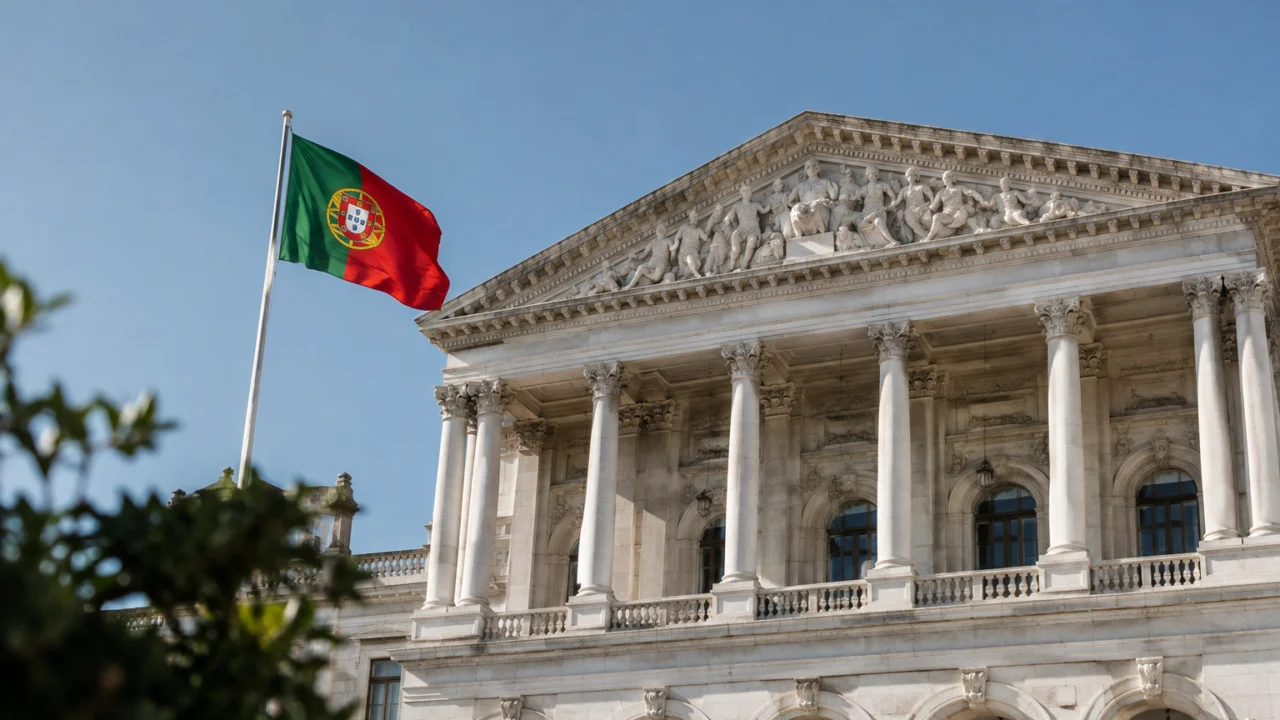
Portugal's parliament has given first approval to a Livre amendment that would tax players' positive annual net online gambling balance as personal income. Here is what the proposal says and why operators are concerned.
Has Portugal decided to tax online gambling winnings?
Not yet. Parliament gave first approval to the amendment, so the measure is still a proposal and not law. PSD and PS voted in favour, while Chega abstained. The text can now move forward in the legislative process. But the Portugal online gambling winnings income tax remains unsettled until the amendment clears its remaining votes.
How the proposal would count and tax net winnings
The amendment does not tax individual wins. It takes the player's annual balance from online games and bets and counts only the amount by which that balance is positive. Losses offset gains across the whole year. So a player who wins in March but loses more by autumn would have no positive balance to declare under the text as drafted. Whatever positive balance remains would be treated as personal income and taxed at progressive IRS rates, the same scale that applies to wages and other income. Livre borrows this logic from Spain, where net betting gains already fall under income tax.
Why Livre points to Spain
Livre's amendment points to Spain because the Spanish model already treats net betting winnings as part of personal income tax. The reference matters for how the base is calculated: in Spain, the taxable figure is the net result after losses, not the gross amount staked. The Portuguese proposal would apply the same netting logic, but charge the resulting annual balance on the progressive IRS scale.
What licensed operators fear and need to know
Licensed operators see a specific risk. If winnings are taxed on legal sites while bets placed with unlicensed sites stay outside the tax net, players have a simple reason to move to the grey market. Tiago Pereira, head of Portugal at LeBull, says operators first need clarity on how net winnings would be calculated on licensed platforms. He also wants to know which reporting duties would fall on them and how the tax would affect player behaviour and the competitiveness of the legal market.
The advertising bills that failed in April
Livre's bills on gambling advertising, sponsorship and promotions with public figures were rejected in April. PSD and CDS-PP voted against them, while Chega and PS abstained. The same parliament handled the two Livre measures differently: PSD backed the winnings amendment but opposed the advertising package.
FAQ
Is the Portuguese winnings tax already law?
No. Parliament has only given first approval to the Livre amendment, with PSD and PS in favour and Chega abstaining. The tax is not in force.
Would the tax apply to every single win or to the annual balance?
The proposal targets the positive annual net balance from online games and bets, not individual wins. Losses within the same year reduce the taxable amount, and whatever remains would be taxed as personal income at progressive IRS rates.
How does the Portuguese proposal differ from the Spanish model?
Both count net betting results after losses, which is the shared element Livre cites. The Portuguese text would charge the resulting annual balance on the progressive IRS scale.
What worries licensed operators about the proposal?
They fear that taxing winnings on licensed sites while bets with unlicensed operators stay outside the tax would make legal platforms less attractive. Tiago Pereira of LeBull says operators need clarity on how net winnings would be calculated and which reporting duties would apply.