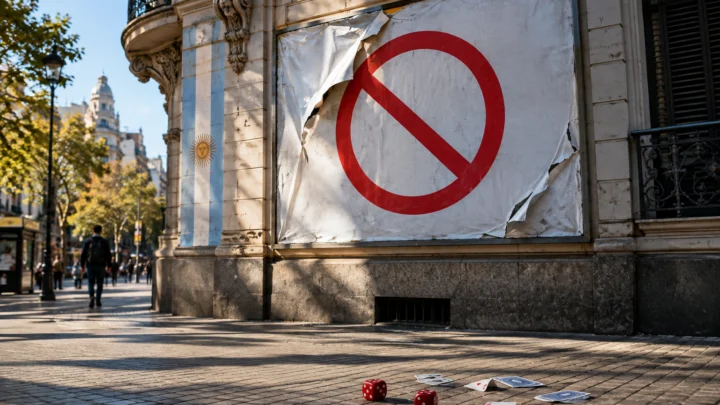
Riga gambling venue restrictions: where operators can still open after the Constitutional Court ruling

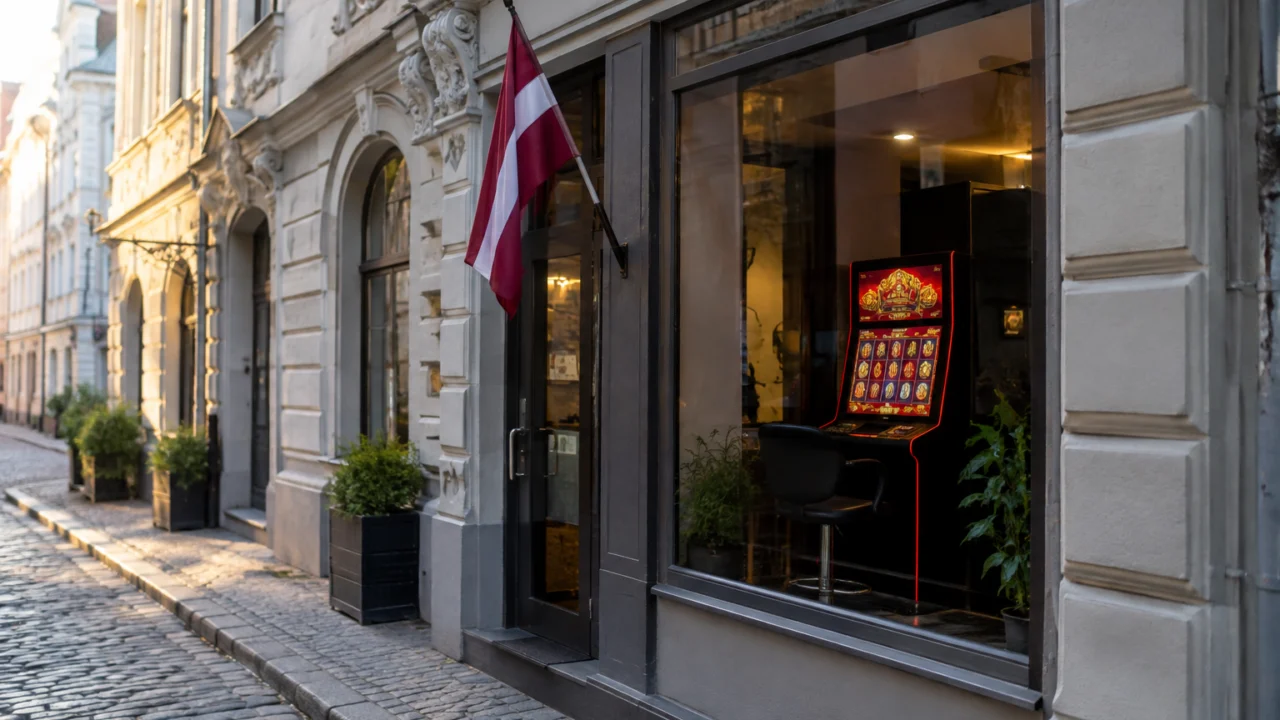
The Latvian Constitutional Court upheld Riga's rules on gambling venue locations, including 300 and 500 metre buffers. Here is where venues are barred and what happens to existing permits.
Court upholds Riga's gambling venue rules
On 26 November, Latvia's Constitutional Court ruled that the Riga City Council regulation of 2025 on gambling venue locations complies with the Satversme, the country's constitution. Four operators brought the case in August 2025. They argued that the restrictions amounted to a de facto citywide ban. The court heard it in written proceedings and rejected that reading. Operators remain free to work in other parts of Riga.
Where gambling venues are banned in Riga
The 2025 council regulation divides the city into zones where gambling venues cannot operate. The Constitutional Court has confirmed these limits are lawful. Municipal property and neighbourhood centres are off limits outright. Schools get the widest protection. The ban covers school grounds and extends 300 metres from school buildings.
Transport hubs carry a larger buffer. Within 500 metres of railway stations, bus stations, airports and passenger ports, no new venue may open. Other public transport stops carry a 300 metre exclusion zone.
Residential buildings are excluded too. A premises cannot simply sit on a ground floor beneath flats. Cultural and historical heritage zones are closed to gambling as well. This matters in the older parts of the city centre, where many commercial units are small and face the street.
The table below sets out each zone and its restriction. Four- and five-star hotels are exempt. Operators should check this carve-out before ruling out a site.
| Zone | Restriction |
|---|---|
| Municipal property, neighbourhood centres | Excluded |
| School grounds and buildings | Excluded within 300 m |
| Railway, bus stations, airports, passenger ports | Excluded within 500 m |
| Other public transport stops | Excluded within 300 m |
| Residential buildings | Excluded |
| Cultural and historical heritage zones | Excluded |
What happens to existing permits
Existing permits do not lapse the day the ruling lands. Under the 2025 regulation, a current permit ends five years after the council's decision to repeal it takes effect. The court considered that window sufficient for adaptation. The deadline gives operators time to relocate rather than forcing an immediate shutdown. So the real question for a venue in a newly banned zone is how to plan a move before the clock runs out.
Why the court sided with the city
The court's reasoning rests on one idea. The state does not have to wait for gambling harm to appear before acting on where venues stand. Operators argued that the city could reach the same goal with softer tools. The judges rejected that on two counts. Education and treatment programmes, they held, do not replace location limits before harm occurs. Tightening the external appearance of venues, such as signage, windows or lighting, was not treated as an equivalent alternative. A discreet storefront still sits next to a school or a station.
Public and business interests were weighed against each other. The operators pointed to their investment and the right to pursue a lawful trade. Putting the public interest first explains the outcome more than any single technical point.
Tax backdrop for 2026
From the start of 2026, Latvia raised the tax on interactive gambling from 12% to 15% of GGR, the gross gaming revenue, meaning stakes minus payouts. The rate on telephone betting rose from 15% to 18%. The Ministry of Finance expects the changes to bring in an additional €9.2 million, of which €175,000 will go to municipalities. For a Riga operator, the tax rise arrives alongside the location rules: the cost of staying open is climbing just as the map of permitted addresses shrinks.
What operators should do now
Start with the address list you already hold. Measure every current venue against the 300 metre buffers around schools and other public transport stops. Then check the 500 metre zone around railway stations, bus stations, airports and passenger ports. A venue 350 metres from a school passes that test. One 280 metres away does not, even if the city has never objected.
Next, pull each permit and work out its end date. The permit runs out five years after the repeal decision takes effect. The clock starts from that entry-into-force date, not from the court ruling. Put the dates in one calendar.
For new sites, stay outside the listed zones. Keep clear of residential buildings and cultural heritage areas too. Check each candidate address against the full list before signing a lease.
Frequently asked questions
Does the ruling ban gambling across Riga? No. The court rejected the argument that the rules effectively ban gambling in the whole city. Operators can still work in other locations in Riga.
How long do existing permits last? Five years after the Riga City Council's repeal decision takes effect, a period the court considered sufficient for adaptation.
Do hotel venues fall under the restrictions? Four- and five-star hotels are exempt.