Fake KSA Website Netherlands: Copy Lists Illegal Brands as Licensed Operators

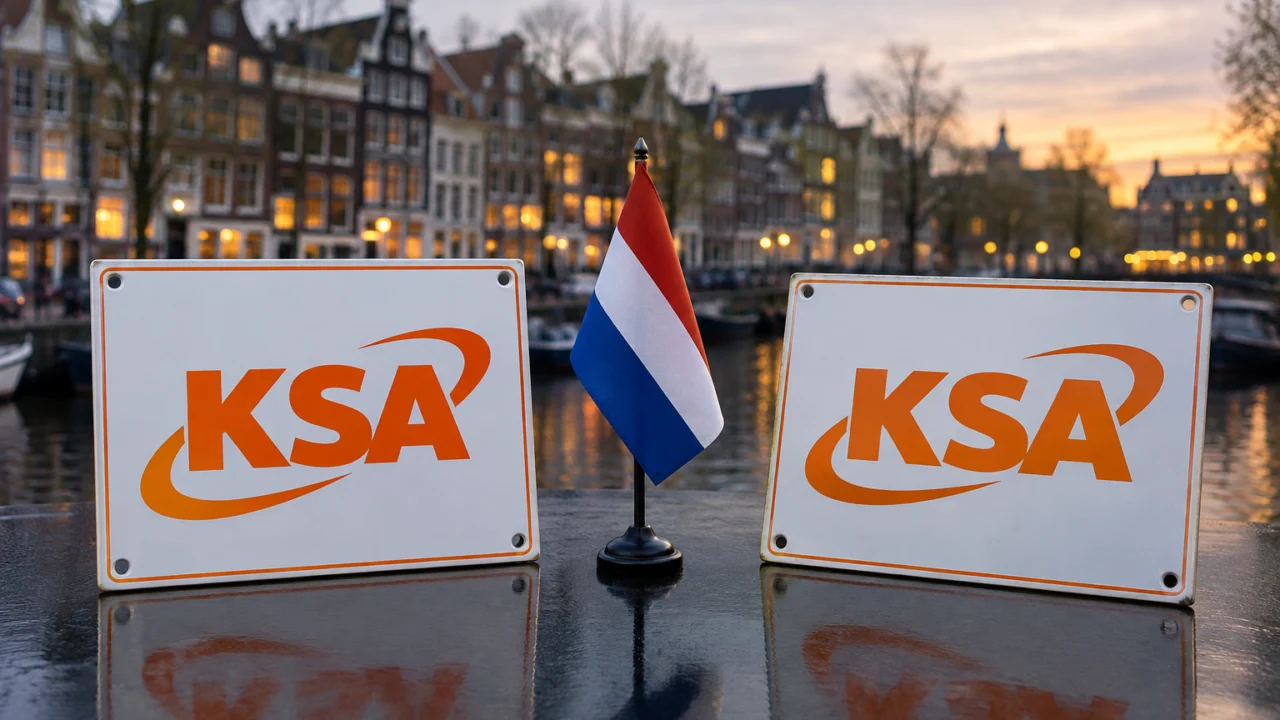
A cloned copy of the Dutch regulator's website, placed on a near-identical URL, listed illegal online casinos under licences held by JOI I and JOI II Limited and New Future Games B.V. Here is what the KSA found and how to check a licence on the official register.
The common mistake: trusting a copy of the regulator's site
A licence check only protects you if the page you read is the regulator's own. The fake KSA site looked routine enough to pass a quick glance: it carried a gambling guide that listed illegal sites under the names of legal parties. Someone checking a brand on a lookalike URL could see a licensed name sitting next to an operator with no Dutch licence at all. The player pays for that mistake with deposits made to an unlicensed operator. Affiliates pay too, because promoting a site they believed was licensed puts their own reputation on the line.
What the fake site did
The fraudsters did not build a new website from scratch. They copied the design and content of the Kansspelautoriteit (KSA), the Dutch gambling regulator. And published it on a domain name that differs from kansspelautoriteit.nl by only a character or two, the kind of lookalike address that passes at a glance. Visitors who landed there saw what looked like the regulator's own pages.
The copy hosted a "gambling guide." Its central feature was a list of online casino sites. And every one of them was illegal in the Netherlands. The guide did not label them as unlicensed. It presented each site as if it had passed the regulator's checks.
That was achieved by attaching each brand to the licence of a legal party. The illegal sites were placed under the licences of JOI I Limited, JOI II Limited and New Future Games B.V.. So a visitor reading the list would see a licensed-looking name next to every entry.
Which licences were misused
The fake register placed its URLs under the licences of three companies: JOI I Limited, JOI II Limited and New Future Games B.V. According to the KSA, none of these licences currently backs a legal website. Any site that appears to sit under them today is operating without a valid Dutch licence, whatever its branding suggests.
The regulator's statement describes illegal sites under legal operator names but does not publish the brand names used in the fake guide. Several names have circulated in press reports, but the KSA has not confirmed them. So readers should not treat any specific brand as verified. Until the regulator publishes its list, the only reliable check is the licence holder shown in the official register.
How the KSA responded
The Kansspelautoriteit (KSA) did not wait for the copy to disappear on its own. It reported the fake site to the police and to the fraud helpdesk. So that the case sits with both criminal enforcement and the national reporting channel for online fraud. At the same time, the regulator opened its own investigation into who built the copy and how the licence references were compiled. According to the KSA's official statement, the site was being taken offline at the time of publication. The regulator also works with a partner on trademark fraud, which gives it a route to challenge the unauthorised use of a legitimate name and logo. Anyone who finds a similar page should report it to the KSA directly rather than contact the listed operators.
How to check a licence
Start with the official register. Type kansspelautoriteit.nl into the address bar yourself, then search for the operator there. Do not follow a link from a review, a guide or a forum post, because that link may lead to a copy. Compare the domain letter by letter with the real one: the fake URL in this case differed from the genuine address by only a character or two, which is easy to miss on a phone screen. A padlock icon does not prove the site is genuine, since cloned sites use valid certificates too.
Treat any licence claim that appears only on a copy of the regulator's site, or only in a third-party guide, as unverified. If the register does not list the operator under the same legal entity the site names, the claim is false until proven otherwise. Check the licence holder's company name, not only the brand. Operators in this case were tied to licences held by other companies. So a familiar brand can still point to the wrong entity.