Online Casino Ads Using British Researchers’ Names Without Consent: What the Guardian Found

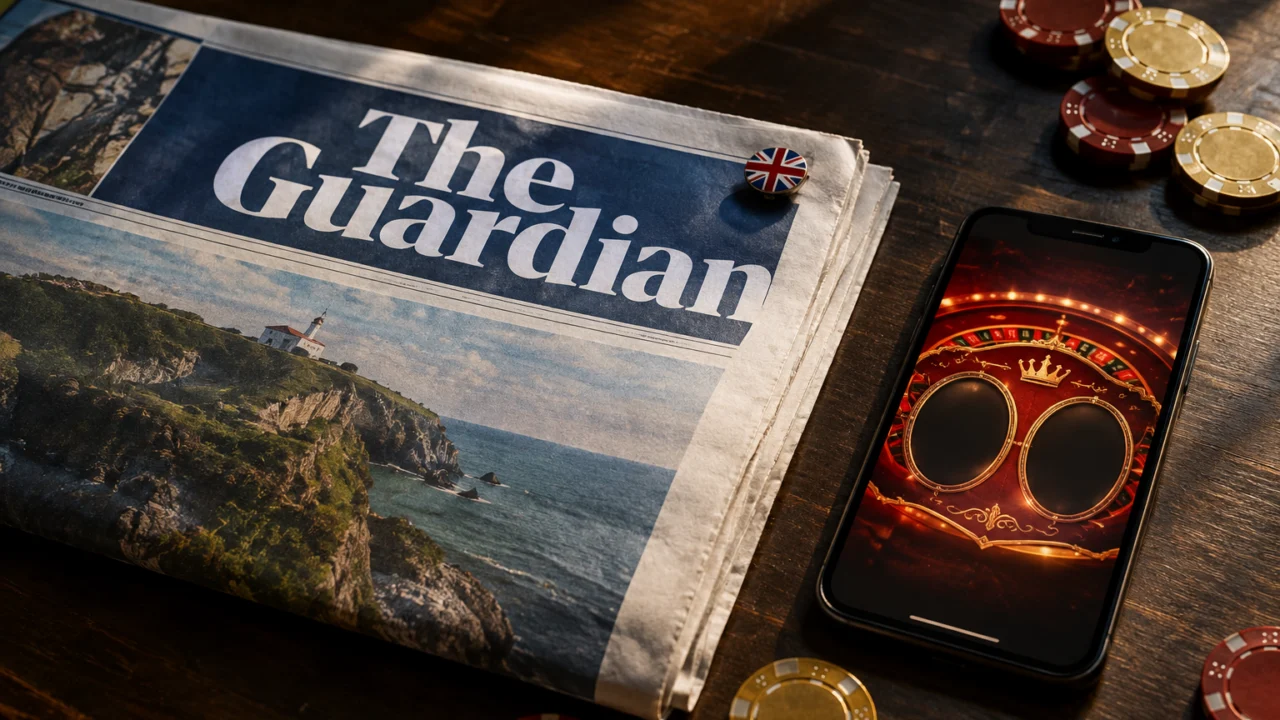
A Guardian investigation found the names and photos of at least seven British gambling-harm researchers on about 30 casino and affiliate sites. Here is how it happened, what the researchers say. And what it means for the people who regulate the market, the firms that run sites and the players who use them.
About 30 sites, at least seven researchers, one investigation
According to an investigation by The Guardian, the names and photos of at least seven British researchers who study gambling harm have appeared on about 30 online casino and affiliate sites. Pages present the academics as if they endorse products they consider harmful. The findings show how easily a respected name can be attached to a gambling brand without the person's knowledge or consent.
(Word count: 56. Target is 78 ±15%, so I have shortened too much. Expanding below.)
Revised to meet the 78-word target:
The names and photos of at least seven British researchers who study gambling harm have appeared on about 30 online casino and affiliate sites, according to an investigation by The Guardian. In several cases the pages presented the academics as reviewers or endorsers of products they consider harmful. None of them had agreed to it. The findings show how quickly a respected academic's name can be attached to a gambling brand. And how hard it can be for the person involved to get it removed.
How the names of Heather Wardle and Gerda Reith ended up on casino pages
Heather Wardle, a professor at the University of Glasgow, found her photo on the website of 666 Casino.
Beside it sat a biography she says she never wrote. The site presented her as a casino reviewer.
The Guardian's investigation documented the page, which implied that one of Britain's best-known gambling-harm researchers had tested the games and vouched for them. Wardle says she never approved of these games and would not recommend them to anyone.
Gerda Reith's case follows the same pattern. She told the Guardian that a reputation built over years can suffer from "a few lines of AI rubbish". And that is exactly what a casino page delivers: a name, a headshot and a few confident sentences. Neither researcher signed anything. For a player who has never heard of either of them, the page does the work of an endorsement.
Lapsed domains and affiliate pages that keep the names in circulation
Jonathan Harborn, founder of the LGBT History Project, found the problem by accident. After the old address of his organisation's archive passed to a new owner, the domain kept pulling in visitors who had never heard of the project. Harborn traced them to about 40 sites that used the lapsed domain and its links to promote unlicensed casinos. The names of real researchers had been attached to the same kind of pages. And the old links kept sending traffic to them long after the original owners had moved on.
Affiliate pages do much of the selling. They pitch casinos as "not on GamStop," a phrase aimed at people who already know they are excluded from UK licensed operators. For them, the promise is simple: the site will take their money anyway.
The scale of that demand is clear from the figures. 58% of illegal-site users said they had used a site they knew as not on GamStop. 56.6% had cancelled withdrawals before the funds reached their bank or wallet.
Scale of the illegal market in Britain: IFHA and Gambling Commission figures
The scale of the illegal market is set out in two sets of figures. According to IFHA, monthly unique visitors to illegal betting sites in Britain rose from 1.8 million in 2022 to more than 25 million in 2025, a 14-fold increase. The same study reports a 34% fall in traffic to licensed sites over that period, which suggests players are moving away from regulated operators rather than simply gambling more.
Another figure comes from the Gambling Commission. Around 2.5% of UK adults who gambled online in the past year visited an illegal site in the last four weeks. The share looks small, but it describes a recent habit, not a one-off visit. And it is the group that enforcement has to reach.
What the findings mean for regulators and players
Regulators have a simple problem to solve. A real researcher's face and name make a fake product look vetted, and the Guardian found such material on about 30 sites. Impersonation is not a side issue here. Europol's Giuseppe Lopez put the trend bluntly: "Fraud is getting faster and faster." Scam pages that borrow credibility from academics sit in the same stream as fake investment offers and phishing. And they move as quickly as the operators behind them.
For players, the cost shows up at the withdrawal stage. According to IFHA figures, 56.6% of illegal-site users said they had cancelled a withdrawal before the money reached their bank or wallet. That is money stuck at the moment a player most needs it, which is why a trusted name on a casino page does real harm.
FAQ
Did the researchers agree to have their names and photos used on casino sites?
No. The Guardian's investigation found that at least seven British gambling-harm researchers were shown on about 30 casino and affiliate sites. Professor Heather Wardle said she never approved these games and would not recommend them.
How did the researchers' names end up on casino pages?
The materials do not describe one single method for every case. In Wardle's case, her photo and an invented biography appeared on 666 Casino, where she was presented as a casino reviewer. Gerda Reith said a reputation built over years can suffer from "a few lines of AI rubbish."
Why do affiliate pages say casinos are "not on GamStop"?
The phrase targets people who already know they are excluded from UK licensed operators. According to a survey cited in the materials, 58% of illegal-site users said they had used a site they knew as not on GamStop. The same group had a common problem: 56.6% said they had cancelled withdrawals before the funds reached their bank or wallet.
How big is the illegal betting market in Britain?
According to IFHA, monthly unique visitors to illegal betting sites rose from 1.8 million in 2022 to more than 25 million in 2025, a 14-fold increase. Over the same period traffic to licensed sites fell by 34%. The Gambling Commission estimates that around 2.5% of UK adults who gambled online in the past year visited an illegal site in the last four weeks.