Tokyo Casino Bid: Tokyo Skips the 2027 IR Round and Keeps Its Research Budget

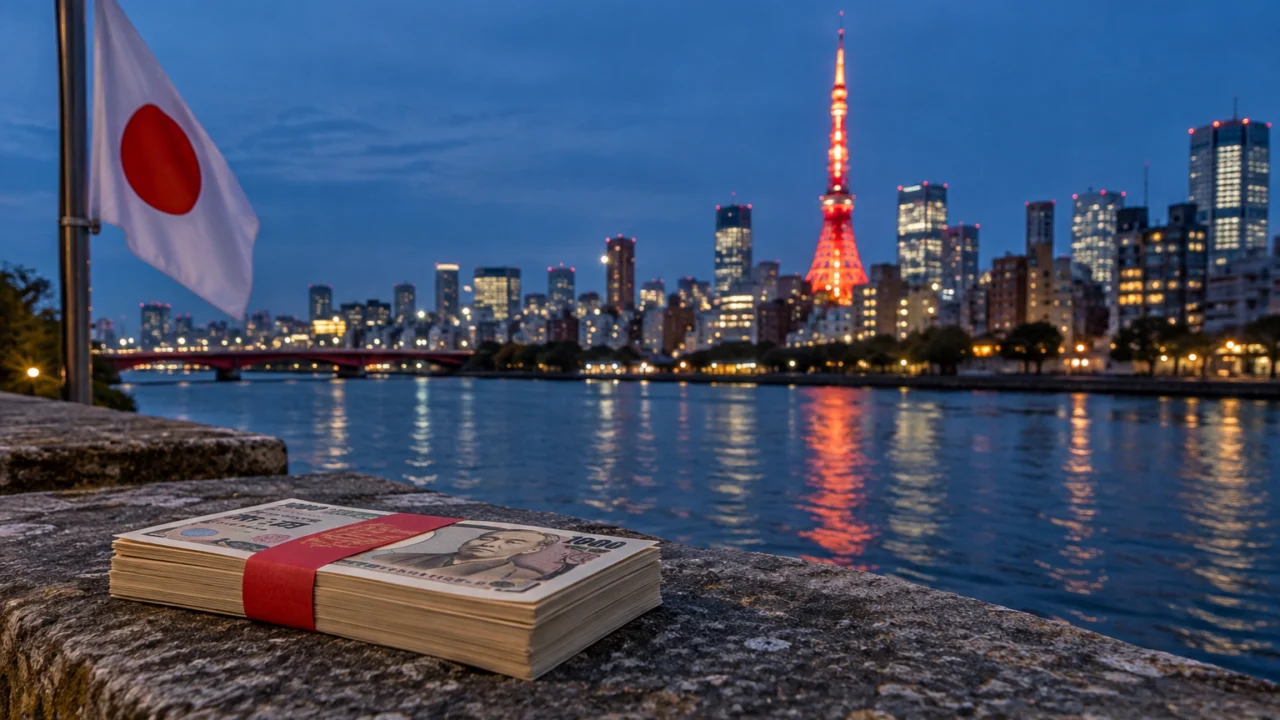
Japanese media report that Tokyo will not submit a casino resort plan in the 2027 IR round. And Hokkaido is also sitting out. The application window runs from May 6 to November 5, 2027, and this article covers what remains in play.
Tokyo will not bid in the 2027 round
According to Japanese media reports relayed by soloazar.com, the Tokyo Metropolitan Government will not submit a casino resort plan in the next IR round. We could not trace the original Japanese reporting, which is attributed to Mainichi or Tokyo Minpo. So the decision should be read as reported rather than officially announced. The Tokyo Metropolitan Government has not been quoted in the reports as confirming the move.
Even as a report, the step matters. Tokyo is the largest Japanese region to pull back from this round. And its absence changes how the market reads the rest of the field. Regions that were expected to compete for a licence now have to weigh a decision taken by the country's biggest prefectural government.
The application window: May 6 to November 5, 2027
The national government will accept applications for IR district development plans from May 6 to November 5, 2027. The central government sets the window, not individual prefectures, so it applies to every local government that wants to enter the round. The reference for these dates is the government notice as reported by casino.org.
Under the IR Act, each application must be a development plan for a specified IR district, a zone the law defines and the national government approves. A prefecture cannot simply declare interest and wait. It must prepare a complete plan for a particular site, with the content the law requires, and file it inside the window.
Missing the November 5 deadline means waiting for the next round, which is the situation Tokyo and Hokkaido now face.
For readers tracking the market, the practical point is timing. Any operator or consultant hoping to see a new Japanese IR bid in 2027 has to work backward from a window that closes in early November.
Planning, local consultation and site preparation need to be finished before May, which is when the big prefectures make their decisions.
Hokkaido follows the same path
Hokkaido is taking the same route as Tokyo. According to a report from World Casino Directory, the prefecture will not take part in Japan's 2027 IR application round. The decision matters because Hokkaido and Tokyo were widely expected to compete for an integrated resort licence in the next cycle. With both out, the 2027 round loses two of its most prominent candidates before the window even opens.
The parallel is useful to read side by side. Tokyo's choice rests on keeping its research budget intact and on studying how gambling harm and regulation work before committing to a site. Hokkaido's stance, as reported, points the same way: the prefecture does not see a bid as the right move now. Both regions are choosing to wait rather than file.
Reporting on Hokkaido comes from World Casino Directory, and the detail on the prefecture's position should be read with that in mind.
What Tokyo keeps: the research budget
Tokyo Minpo reports that the Tokyo Metropolitan Government has kept a research budget of 10 million yen for integrated resorts. And that none of it has been spent since fiscal 2020. The money sits in the books while the city stays out of the 2027 round. Keeping it lets Tokyo keep studying IR effects, such as problem gambling and the experience of overseas markets, without committing to a formal plan now.
The figure comes from the Tokyo Minpo report. We have not matched it against an official Tokyo Metropolitan Government budget document. So it is attributed to the newspaper and should be read as reported, not confirmed by the city. An unspent line item is cheap to hold and easy to revive. A city that wants to restart its bid later can do so without rebuilding its evidence base from scratch.
For investors and operators, the signal concerns timing, not whether Tokyo wants a casino at all. Tokyo is choosing to wait, and the research budget connects today's decision to any future filing.
Osaka's MGM project keeps moving
MGM Osaka is the one large project in the country still moving forward on its own timetable. According to the operator's own statement, the integrated resort carries a projected investment of 1.51 trillion yen and is scheduled to open in late 2030. Those figures come from MGM's account, not an independent review, and no outside party has verified the budget or the date.
The timing matters for Tokyo's decision. Osaka sits in the Kansai region, and its plan is the reference case there: a resort that does not depend on the 2027 round and proceeds under its own approvals. Tokyo's choice to sit out the round does not stop the Kansai project, and the two cases should be read separately.
Treat the 2030 opening as the operator's target, not a confirmed schedule. Construction timelines of this scale often shift, so the date remains a plan until the resort opens.
Where each claim comes from
The Tokyo decision comes from Japanese media reports. We credit those Japanese outlets as the original reporters and mention the English-language relay only as the route the story reached us. So readers can trace it to the Japanese-language originals.
Application dates are set by the national government schedule. The May 6 to November 5, 2027 window is reported by casino.org.
But the government notice is the primary reference, since the government sets those dates.
Hokkaido's exit from the round comes from news.worldcasinodirectory.com. The MGM Osaka figures, including the 1.51 trillion yen cost and the late 2030 opening, come from the operator's own statement and are presented as the company's account.