Crypto Deposits in EU iGaming: How FEG and Confirmo Separate Regulated Stablecoin Payments from Crypto Casinos

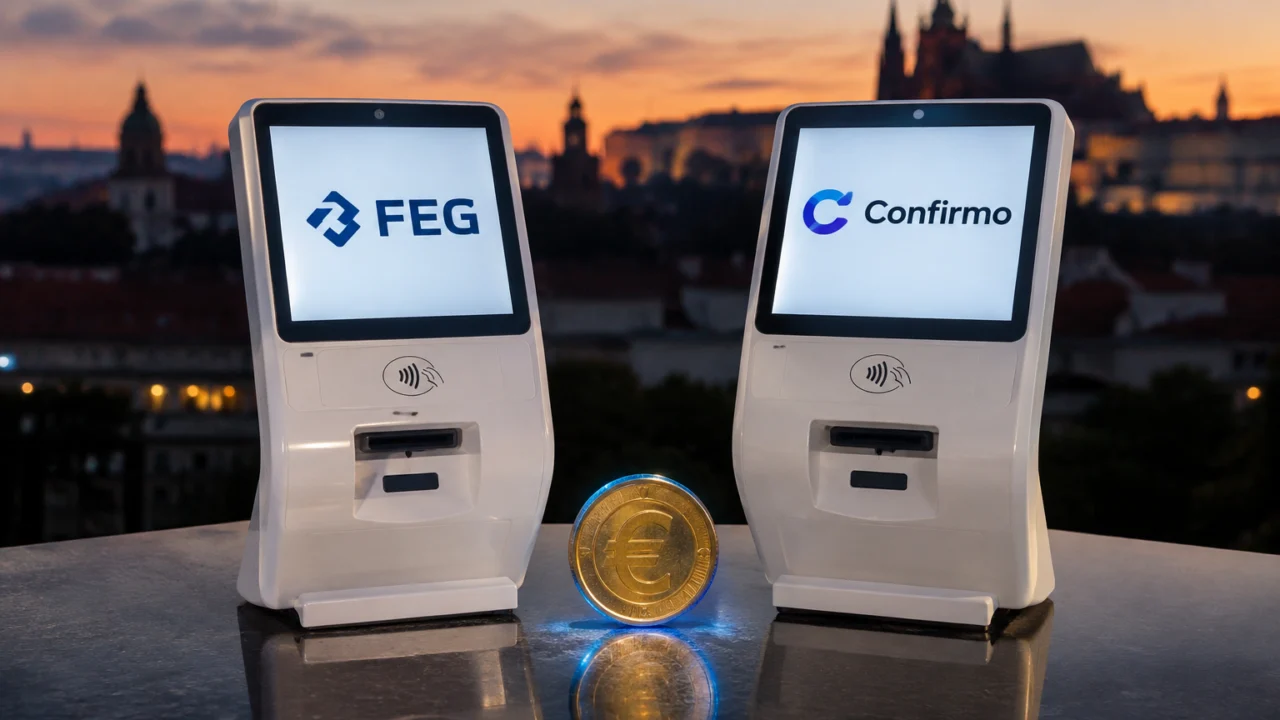
Crypto deposits in EU iGaming now have a regulated route. FEG and its EU partner Confirmo show where stablecoin payments end and crypto casinos begin. For operators in Central and Eastern Europe, the case offers a checklist for testing the risk before launch.
Operators who treat every crypto deposit as a crypto casino misjudge the risk
Many operators hear "crypto" next to "gambling" and stop listening. They file any crypto payment under unlicensed crypto casino and refuse it without checking who actually processes the money. That reflex can cost a partnership or close a payment channel that may well be lawful.
FEG, one of the largest iGaming groups in Central and Eastern Europe, runs B2C brands in Czechia, Slovakia, Poland, Romania, Croatia and the Baltics. It is now launching crypto deposits through its partner Confirmo's EU arm, which holds a licence from the Central Bank of Ireland. Players deposit stablecoins pegged to fiat currency, and there is no direct crypto betting on sport. The model turns on who holds the licence, not on the word "crypto".
Why a stablecoin deposit through a licensed institution is not a crypto casino
A stablecoin is a crypto asset pegged to a fiat currency. A player who deposits a euro stablecoin keeps a value that tracks the euro, not bitcoin or ether. In a crypto casino, the deposit itself is volatile.
The second difference lies in who handles the money. Confirmo, the partner in the FEG deal, is a payment institution under EU rules and a MiCA provider, licensed by the Central Bank of Ireland. Its regulated payment layer sits between the player and the operator. The player sends stablecoins to a licensed institution, which settles the value. The operator receives funds through a channel with its own compliance duties.
For operators, this structure keeps the deposit apart from speculative crypto trading. The gambling business never holds or trades the token. A casino that takes coins into its own wallet works differently.
Why the rules for gambling under MiCA are not settled yet
MiCA, the EU regulation on crypto-assets, entered into force in December 2024. It was written to regulate issuers and service providers of crypto-assets, not gambling operators. The rules for applying it to gambling are not yet finally defined. No EU decision permits crypto gambling. An operator cannot treat MiCA authorisation of a payment partner as a licence to run crypto betting.
That gap matters. Unlicensed crypto casinos keep operating outside these rules, often with large bonuses to attract players. No regulator stands behind their players' money or game fairness. On the player's screen, a regulated stablecoin deposit and a crypto casino may look alike. They are not the same thing.
What the FEG case means for operators in Central and Eastern Europe
FEG runs B2C operations in Czechia, Slovakia, Poland, Romania, Croatia and the Baltics, making it one of the largest iGaming groups in the region. The group traces its roots to the break-up of Czechoslovakia in 1993.
For operators in these markets, adoption figures matter. According to SBC News, about 9% of adults in the eurozone held crypto as of 2024. Any crypto deposit route should be tested market by market before launch, because an EU-licensed partner does not automatically settle the position under each national regulator.
Checklist before launching crypto deposits in a regulated iGaming business
Before you sign anything, check the partner's licence against every market you plan to serve. A licence held by a payment institution in one EU state does not automatically cover your target countries. So map each jurisdiction separately. Pull licence details from the partner's own statements, not from press coverage. For FEG and Confirmo, that means the primary releases from both companies, which still need to be checked before any internal decision.
Next, ask how the provider handles chargebacks and returns. Write the answer into your payment policy. Who absorbs a disputed deposit, and how fast are refunds paid? Put these rules in writing, not in a call summary.
Finally, record the product limits. If crypto bets on sports are excluded, document that exclusion. Keep the game catalogue, bonus rules and front-end messages consistent with the partner's terms.
FAQ
Does MiCA allow crypto gambling in the EU?
No. According to SBC News, there is no EU decision permitting crypto gambling. The rules for applying MiCA to gambling are not yet finally defined. A MiCA-authorised payment partner does not turn a crypto casino into a licensed business.
How is a stablecoin deposit different from a crypto casino deposit?
A stablecoin is pegged to a fiat currency, so its value tracks that currency rather than bitcoin or ether. In the FEG model, the deposit goes through Confirmo, a payment institution licensed by the Central Bank of Ireland. The gambling business never holds or trades the token itself.
Which markets does FEG cover with its crypto deposit launch?
FEG runs B2C brands in Czechia, Slovakia, Poland, Romania, Croatia and the Baltics. The Confirmo partnership runs through its EU arm. Each licence has to be checked separately for these markets before an operator relies on it.
What happens if an operator accepts crypto deposits without checking the licence?
An operator that skips the licence check takes on the risk that the partner's EU licence does not cover its target country. A licence in one EU state does not automatically extend to others. Chargeback and refund rules also belong in the payment policy, so disputed deposits have a clear owner.