Sportsbook Academy Level 2: Training the Next Generation of Sportsbook Traders

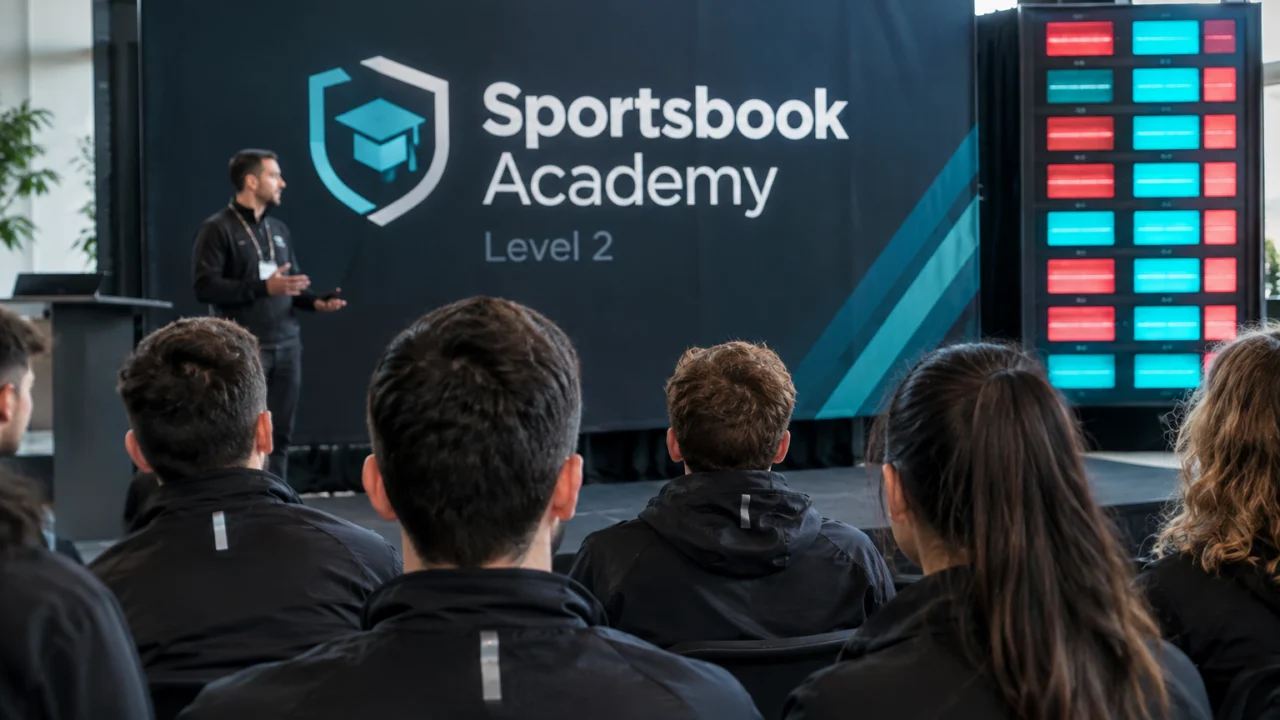
Sportsbook Academy Level 2 runs in February 2027 for sportsbook trader teams at LatAm and international operators. The course covers overround, liability, rebalancing and AI in trading. This outline shows what each module answers.
Sportsbook Academy Level 2 runs in February 2027
Level 2 is the second edition of the programme. GOA LatAm (Gaming Operations Academy) delivers it together with BetConstruct, the software and platform provider. BetConstruct has run the Sportsbook Academy since its launch in 2024, according to the GOA LatAm and BetConstruct announcement. Liliana Costa and Adam Roebuck coordinate the course. They handle the schedule and the working groups for participants from trading desks at operators across Latin America and beyond. The first edition set the format: practitioners teaching practitioners, with the emphasis on day-to-day pricing and risk decisions rather than theory. Level 2 keeps that approach. It moves further into the mechanics of exposure and margin.
What the course covers
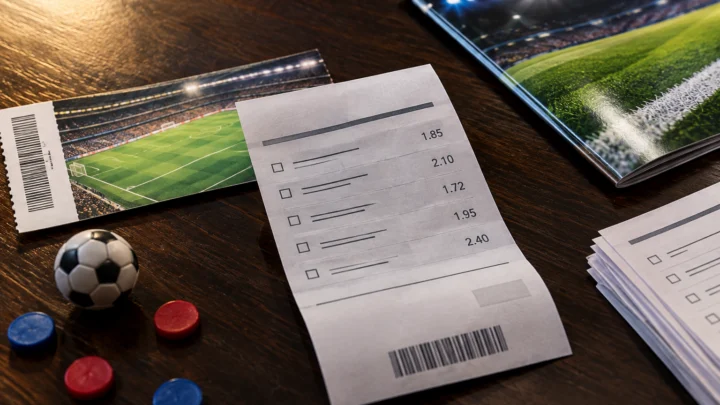
The course starts with odds pricing. Prices are set so that the implied probabilities add up to more than 100 percent. The surplus is the overround, the operator's built-in margin. Take a two-way market priced at 1.90 on both sides. Each price implies about 52.6 percent, so together they imply 105.3 percent. The extra 5.3 points make up the margin. Trainees learn how a few ticks' shift on one side changes it.
Liability is the most an operator could lose on one outcome if that outcome wins. It equals the stake returned minus the stake taken.
Exposure builds across markets. One match carries many markets, and one outcome can appear in several. Traders read the combined position, not each market alone.
Rebalancing is next. When one outcome draws too much stake, the trader shortens its price and lengthens the rival's. That steers new money to the other side. Limit models cap how much a single bet or account can add to exposure. Students decide whether a price move is enough or a limit should tighten.
Who the course is for
Fabio Tiberia, VP of BetConstruct Latin America, describes the target participant as a professional trader who already works in the industry. That trader often works at a different company from the others in the room. The mix is deliberate. A trader who has managed a book at one operator learns quickly from someone who has priced the same market under different limits, margins and compliance rules.
Risk managers also benefit. They must understand how liability and exposure are calculated before they can challenge a limit model.
Product managers need enough pricing knowledge to judge what a promotion will cost. Operators in Latin America and international groups entering the region both fit the profile. The sessions cover local market conditions alongside general practice.
Tiberia has spent more than 20 years in the industry. BetConstruct, according to its own figures as provided, employs over 7,000 people across more than 16 offices. It has about 600 professional traders. Those numbers help explain why the company can draw faculty and case studies from its own desks. They have not been independently verified.
Why margin matters more than volume
"Uncontrolled betting volume is vanity. Margin is sanity." Fabio Tiberia, VP of BetConstruct Latin America, puts it plainly.
Turnover looks good on a dashboard, yet a book can grow its handle and still lose money. The overround is the margin built into the odds across all outcomes of a market. It is the cushion. Set too low, each bet carries less edge than the risk behind it. A busy weekend hands money back to customers, and volume multiplies the loss. Liability turns that thin margin into real exposure. It is the most an operator could lose on one result if that outcome lands. A price can look sound on paper while the book is heavily staked on a single result. So liability works as a daily control number. Before a price goes live, the trader checks the worst-case loss on each outcome against the limit for that market. If the figure is too high, the price moves, the limit tightens, or the exposure is laid off.
AI in trading
"Artificial intelligence does not replace human experience," says Fabio Tiberia, VP of BetConstruct Latin America. AI is one module among others. It sits beside odds pricing, financial exposure and bonus management, not above them. The course rests on that premise. Nobody is taught to hand the book to a model and walk away.
The practical exercise is comparison. Trainees take a live-style book. They see what the model proposes for prices, limits and rebalancing, then set it against the decision an experienced trader makes on the same book. The gap between the two is the lesson. Where the model is right for the wrong reason, or wrong for a reason only a trader would spot, the trainee must say so and explain why.
Legal certainty and regulation
Fabio Tiberia, VP of BetConstruct Latin America, compares a trading operation under regulatory pressure to cracked glass. From the outside it looks sound. The odds are priced, the book balances, and the margins hold. Then a regulator changes a rule or a licence comes under review. The weakness that was always there gives way at once. A trader who has only ever watched the price cannot see that crack coming.
Legal certainty sits in the course beside pricing and liability. Rules set the limits every price must respect, from permitted markets to bonus terms.
A sound overround on paper can still be unlawful in practice.
How to register
Registration details have not been published yet, so this article does not include a sign-up link. BetConstruct and GOA LatAm have said the details will follow in the coming weeks. Watch for their announcement ahead of the February 2027 start.
Planning ahead is still worthwhile. Compare the course modules, from odds pricing and liability to rebalancing and AI in trading, against your own team's gaps. Coordinators Liliana Costa and Adam Roebuck will run the programme, so note their names when the announcement arrives.