Stablecoins in igaming payments: which networks to accept and where compliance draws the line

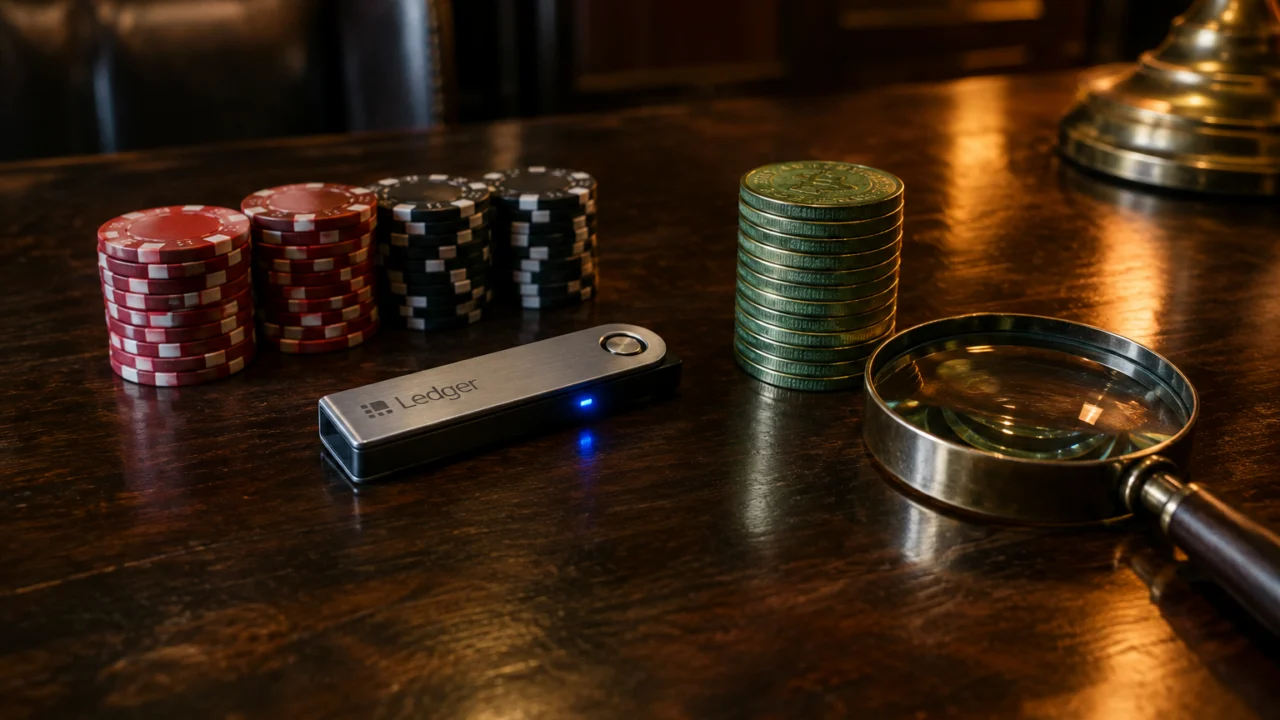
Stablecoins in igaming payments remove the bitcoin price swings that make crypto deposits hard to plan. This outline shows which networks operators are weighing, where national rules still block adoption, and how KYC fits into a crypto deposit.
Why stablecoins fit igaming payments
Each stablecoin is pegged to the US dollar or the euro. Neither the player nor the operator carries bitcoin's price swings on a deposit. A player who funds an account with 100 USDT gets 100 dollars of balance. The operator books the same amount at settlement. Igaming and crypto have long drawn on the same audience, so operators keep returning to crypto checkout. Demand often came first. In Argentina, people moved savings into stablecoins to protect their purchasing power, well before any operator offered them as a payment method.
Which networks to accept: BSC, Ethereum, Solana, and TRON
Max Krupyshev, Executive Leader at CryptoProcessing, names Binance Smart Chain, Ethereum and Solana as faster and cheaper networks for stablecoin transfers. TRON built its reputation on the same promise. USDT on TRON was cheap and widely used for years. Krupyshev says that has changed. Transactions on TRON have become slower and more expensive.
Operators should first check whether their players already use a network before listing it in the cashier. A healthy token on a chain customers never use is of little value. Network support matters as much as the token itself.
Where regulation blocks adoption: US, Europe and emerging markets
In the United States, regulated operators have shown real interest in stablecoin payments, according to Krupyshev. The appetite is there.
The harder question is which licensed operator can take a stablecoin deposit, and under which state rules.
Europe is a harder case. Even when an operator has access to a regulated processor, national gambling rules can restrict what it may accept. The technical link alone does not settle the matter.
In Latin America, Africa and Asia the picture is different. Demand comes from players who already hold stablecoins, often to protect their purchasing power. The operator's job there is easy to state and harder to deliver. It must accept what the player already has.
Compliance at the deposit: what the chain reveals and what it hides
Every blockchain transaction is public, and a processor can trace stablecoin money back through the wallets it passed through. The chain does not show who controls a wallet, and a processor can flag a deposit linked to a sanctioned address. But it still needs a name from elsewhere to know who is playing. That gap is why operators cannot rely on the ledger alone. Identity checks and player protection duties both add steps to the deposit flow. Some steps cost minutes. Others cost players, who abandon the cashier at the wallet prompt.
Before choosing a KYC setup for crypto deposits, price each step in time and drop-off against the risk it covers. A check that adds a minute and loses few players is easy to justify. A check that doubles the wait before a first deposit needs a clear reason.
Making crypto routine: what CryptoProcessing offers operators
CryptoProcessing wants crypto to feel as routine as a card payment. Its plan has three parts. The company intends to add more blockchain networks, so operators are not tied to a single chain their players happen to use. For smaller operators, the main barrier is engineering time. A ready-made hosted payment page addresses that directly. The processor runs the cashier, and the operator does not have to build and certify its own crypto flow. Large operators can go further and hand the servicing of their crypto infrastructure to the processor. That keeps internal teams focused on the product rather than on wallets and node maintenance.
The reliability test for a stablecoin payment
Krupyshev's test is simple. In payments, especially in high-risk verticals like igaming, a stablecoin rail has succeeded when nobody on the team has to think about it daily. Watch three signals: the share of failed deposits, the number of transactions pulled into manual review. And swings in network fees that push a player's deposit past what the operator expected. If those stay flat, the rail is working.
FAQ
Why do operators prefer stablecoins over bitcoin for casino deposits?
A stablecoin such as USDT is pegged to the US dollar or the euro. A player who deposits 100 USDT gets a balance of 100 dollars. Bitcoin's price swings would change that amount between the deposit and the settlement.
Which networks does CryptoProcessing point to for stablecoin transfers?
Max Krupyshev, Executive Leader at CryptoProcessing, names Binance Smart Chain, Ethereum and Solana as faster and cheaper options. He says USDT on TRON, once cheap and popular, has become slower and more expensive. Operators should check which network their players already use before listing it.
Can a processor tell who is behind a crypto deposit?
A processor can trace stablecoin money through the wallets it passed through and flag a deposit linked to a sanctioned address. The blockchain does not show who controls the wallet, so the processor still needs identity data from elsewhere. That is why KYC checks remain part of the flow.
Are regulated US and European operators already taking stablecoin deposits?
Krupyshev says regulated US operators have shown real interest. The question is which licensed operator can accept a stablecoin deposit under state rules. In Europe, national gambling rules can restrict operators even when they have access to a regulated processor.