Mexico online gambling reform: what Sheinbaum’s advertising complaint means for operators and affiliates

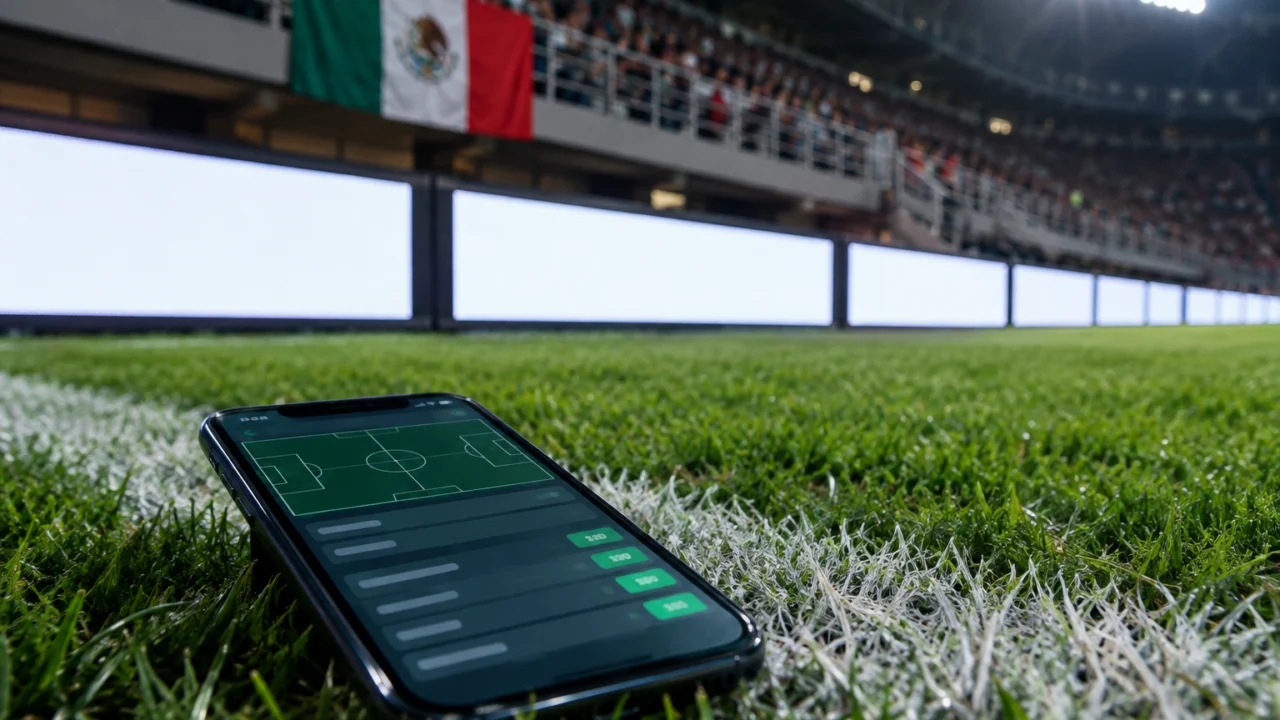
Mexico's president says the online gambling reform is coming, with gambling ads as the main issue after the World Cup. Here is what the draft law, the 1947 rules and the 50% GGR tax mean for operators and affiliates.
Sheinbaum's World Cup complaint and the reform she promised
Sheinbaum used the World Cup, which Mexico co-hosted with Canada and the United States, to revive her promise to overhaul online gambling rules. Claudia Sheinbaum said she was genuinely struck by how much of the tournament's advertising belonged to gambling companies. For her, the issue is central. She called advertising a "major issue" and framed the problem in plain terms: "Digital betting has grown significantly." She linked that growth to addiction, particularly among children and young people, which is why she treats the reform as a public health question as much as a market one.
The commitment itself is not new. Sheinbaum has repeated it now, and the tournament's visibility made the gap harder to ignore.
The interior minister's draft law and the 1947 rules
Interior Minister Rosa Isela Rodríguez prepared the draft, but it has not yet gone to Congress. According to President Claudia Sheinbaum, the rules governing gambling date from 1947 and say nothing about online play. No timeline for the bill has been announced.
Advertising: what the president said and what she did not say
Asked whether Mexico would ban gambling advertising, as other markets have done, Sheinbaum did not say yes. She said the question would be settled through the regulatory reform now being prepared. That is a deliberate deferral, and a ban remains one option among several until a bill is published.
Her language, however, leaves little doubt about where the concern sits. She said she was struck by how much gambling promotion appeared during the World Cup and tied that exposure to the growth of digital betting and to dependency, especially among children and young people. Once the harm is framed around minors, advertising rules stop being a side note and become one of the reform's central questions.
Operators and affiliates should expect scrutiny of promotion aimed at young audiences. Heavy promotion during high-profile events is also likely to draw attention. Plan for tighter limits without assuming a full ban.
The 50% GGR tax and the risk of migration to illegal platforms
Miguel Ángel Ochoa Sánchez, president of AIEJA, says a 50% tax on gross gaming revenue (GGR) has applied since January 1, 2026. He calls it a "blow" to the industry. For operators whose margins already run thin, a levy of that size leaves little room to absorb marketing costs, product development or compliance spending.
Ochoa's bigger worry is what comes next. He argues higher taxes push players toward illegal platforms. Those sites pay no tax and offer no player protection. The state loses revenue, and users lose the safeguards that licensed operators must provide. The tax may weaken the market it was meant to regulate.
What operators and affiliates should track before the bill moves
Three things matter now. The first is procedural. The draft has not reached Congress, and no timeline has been set. Once it arrives, the text will show whether advertising faces a full ban or rules on placement and content.
Second, audit your own exposure. Pull a record of every gambling ad your brand or affiliates ran during the World Cup, by channel, platform and audience.
The president's complaint centers on what fans saw during the tournament, so that record is the evidence regulators will look at first.
Third, plan for two outcomes. A full ban would end most paid promotion in Mexico. A reform that stops short of a ban would likely bring tighter limits on where ads run and who sees them. Build playbooks for both now.
FAQ
Has Mexico actually banned online gambling advertising?
No. Asked about a ban, President Sheinbaum did not say yes and said the question would be handled through the regulatory reform. A ban remains an option, not an adopted rule.
When will the new Mexican gambling law take effect?
No date has been set. The draft prepared by Interior Minister Rosa Isela Rodríguez has not yet been sent to Congress, and no timeline has been announced.
Which rules apply to online gambling in Mexico right now?
The current gambling regulation dates from 1947 and does not cover online gambling, according to Sheinbaum. The 50% GGR tax that AIEJA president Miguel Ángel Ochoa Sánchez describes has applied since January 1, 2026.
Why does the 50% GGR tax worry the industry?
Ochoa calls it a "blow" to operators and warns that higher taxes push players toward illegal platforms. Those platforms pay no tax and offer no player protection.