Novig NHL Deal: Seven Franchises Bring Prediction Markets Onto the Ice

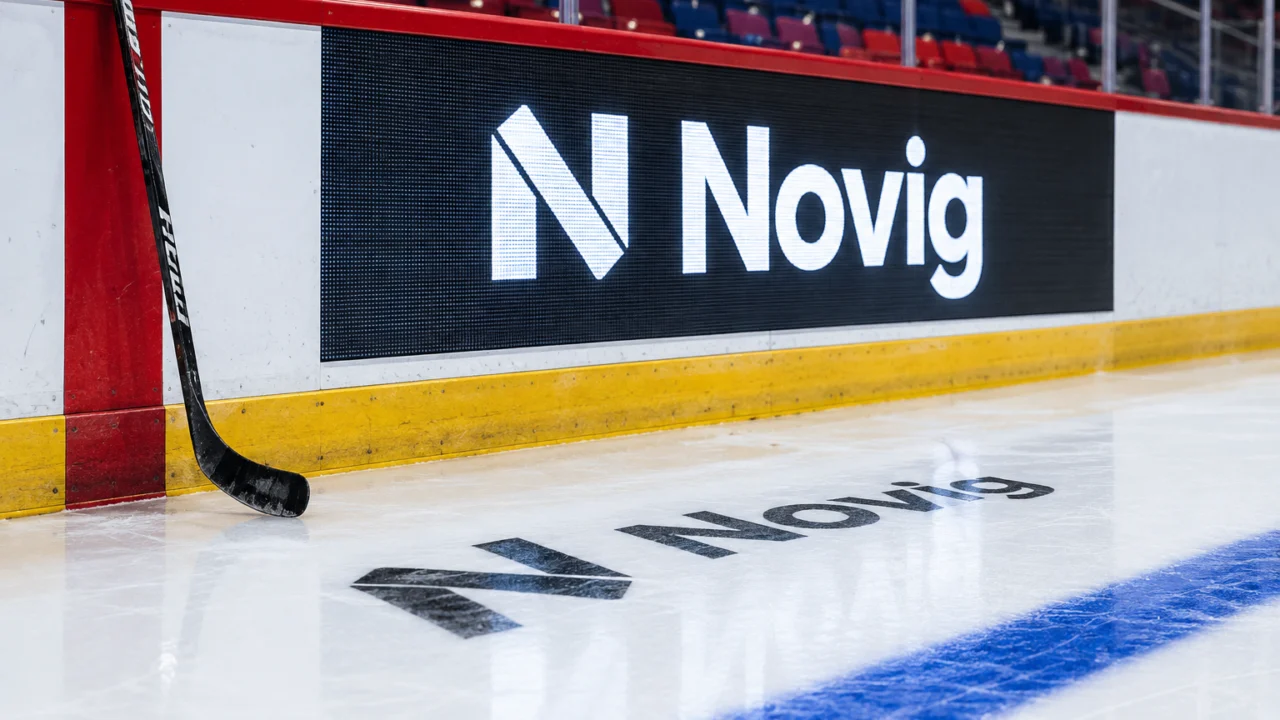
Novig has signed partnerships with seven NHL franchises, according to a post from Jacob Fortinsky on 18 November 2026. Here is who the teams are, what the deals are reported to give the brand. And how they fit the NHL's earlier prediction market deals.
Seven NHL franchises that signed with Novig
Novig, a US prediction market where users trade on whether a given outcome happens, now partners with seven NHL franchises. The news surfaced in a post on X by Jacob Fortinsky on 18 November 2026. The teams named are the Buffalo Sabres, Boston Bruins, Carolina Hurricanes, New York Islanders, Dallas Stars, New Jersey Devils and Philadelphia Flyers.
These are partnerships with individual franchises, not licences from the National Hockey League itself. That distinction matters. A league-level deal would cover the whole competition, while a franchise-level deal depends on each club's commercial decisions. The seven clubs are spread across the East and Central regions, which suggests Novig is building its presence team by team rather than through a single league-wide agreement.
What Novig gets on the ice
Novig's reported gain is visibility inside NHL arenas. The news coverage describes two forms: digital boards around the rink and branding on the ice surface. Neither detail has been confirmed by a team or by Novig. So treat both as reported until the clubs or the company put them on record. The reported scope runs through the 2026/27 season, which would give the brand a full year of exposure across seven markets. That timing is also unconfirmed.
The practical difference from a standard sponsorship is who the brand reaches. A boards ad at a Buffalo or Dallas game reaches the live crowd and the television audience in one pass, while ice branding is seen mainly on broadcast. For a prediction market, the arena is where a fan first meets the name. A logo on the glass does not explain how a contract settles, so that job falls to the marketing elsewhere.
Novig has not disclosed the financial terms of the agreement, and this article does not estimate them. Readers comparing the deal with the NHL's earlier arrangements with Kalshi and Polymarket should note the gap.
Without a disclosed figure, the comparison rests on the scope of the rights alone.
Why NHL deals matter for prediction markets
The NHL signed multiyear licensing agreements with Kalshi and Polymarket in October 2025. Those deals came before Novig's seven-team set and established a template: a prediction market pays for a formal relationship with a league rather than sponsoring teams one at a time. The league's own statement should be checked before relying on the specific terms reported in the press.
The earlier deals answered a question other leagues had been avoiding. Before them, prediction markets mostly operated at arm's length from professional sports, trading on outcomes leagues did not formally endorse. A league licence changes that. It gives a market a recognised place in the sport. And it gives the league a commercial interest in how that market is presented to fans.
Novig's arrangement works differently. Its seven partners are individual franchises, and they sit in several US markets rather than under one league-wide agreement. Novig's reach therefore depends on each club's cooperation, and the brand can grow market by market without waiting for a league decision.
For readers tracking the sector, the sequence is the useful part. The league-level deals came first, and the franchise-level deals followed. Whether that order holds, and whether the two approaches can coexist on the same ice, is what the coming season will start to answer.
What prediction markets mean for hockey fans
A prediction market is a platform where users buy and sell contracts on whether a defined outcome happens. A contract typically pays a fixed amount if the event occurs and nothing if it does not. So its trading price works as the crowd's estimate of the probability. A Sabres fan who buys a contract priced at 60 cents is effectively saying the market gives that outcome a 60 percent chance.
That mechanic is the same whether the contract covers a playoff series or an election. What changes with a sports partnership is the menu of events and the way the brand is presented to the people trading them.
Reporting on Novig's seven deals does not describe any change to how hockey markets are structured, settled or priced. So the announcement gives no sign that a hockey contract works differently from any other on the platform.
Before trading, fans should read the terms for the specific product: how the outcome is defined, when the contract settles, what happens if a game is postponed or a player is traded, and what fees apply. These details decide whether a contract pays out the way the headline suggests.
A market that settles on the official NHL result differs from one that settles on a press account of the game. And the terms are where that difference shows up.
The sponsorship question is more concrete. The Buffalo, Boston and Dallas markets are among the seven franchises involved. And fans in those cities should watch whether the partnership leads to hockey-specific products aimed at local supporters. If it does, the contract terms and price mechanics would stay the same. But the choice of events and the marketing around them would be new. That is where a fan's habits are most likely to shift.
What to watch once the 2026/27 season starts
Three things will show whether this deal changes anything for fans. The first is the branding itself. Once a team or Novig confirms the digital boards and ice branding, the test is simple: does the logo appear in regular-season broadcasts across the seven arenas, or only in promotional clips? Placement that stays off camera would tell us far less than placement viewers actually see.
The second is regulatory reaction. State gaming regulators have already taken a close interest in prediction markets. And a sports league attaching its name to one is the kind of move that draws attention. Watch for statements from state regulators and from other US leagues.
Whether the NHL's deals with Kalshi and Polymarket become a template is the third question. If other leagues sign multiyear licensing agreements with prediction market platforms, the sector moves from individual sponsorships to a standard commercial category. If they don't, the NHL stays an outlier.